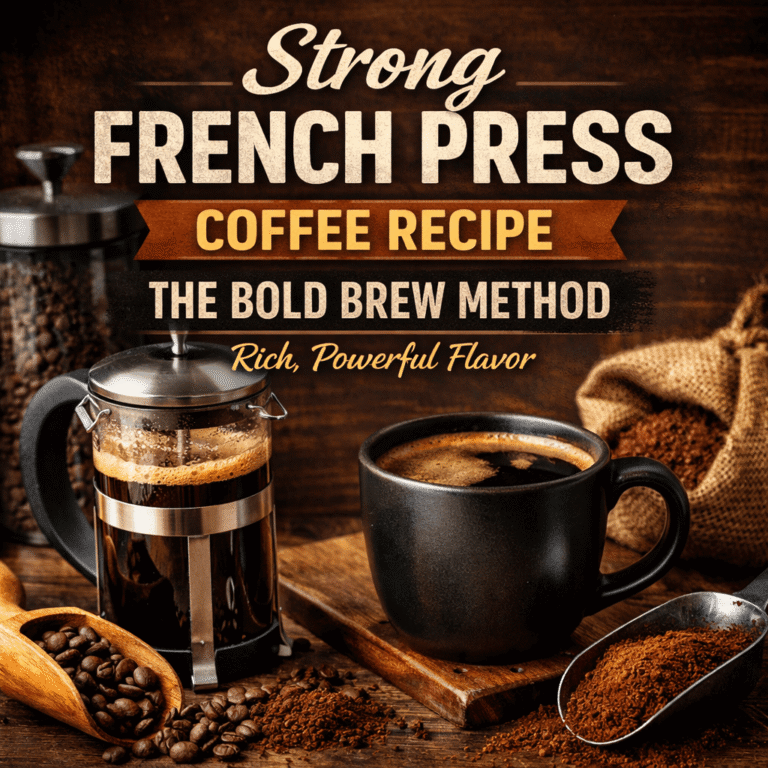
If you’re brewing with a French press, you’re already ahead of the game. This classic method naturally gives you richer flavor, fuller body, and that satisfying velvety texture when you use the right coffee beans.
But here’s the part most people miss:
Your coffee will only ever be as good as the beans you use. The right beans can give you a bold, smooth, café-quality cup. The wrong ones? Bitter, flat, muddy, or just… disappointing. In a French press, every strength and every flaw in your beans is amplified — the natural oils, the flavor notes, the freshness, and even the grind size.
This guide will walk you step by step through choosing the best coffee beans for your French press, with no confusing jargon or guesswork. By the end, you’ll know exactly what to look for so every brew tastes like a café-worthy upgrade in your own kitchen.
Why is it important to choose the Right Coffee Beans
Unlike drip machines, a French press uses full immersion brewing. This means:
- Coffee grounds steep directly in water
- Natural oils stay in your cup
- Flavors are more intense and unfiltered
Because of this, every characteristic of the bean becomes more noticeable—good or bad.
1. Go for Medium to Dark Roast Coffee Beans
Medium to dark-roast coffee generally delivers the best results for French press brewing, thanks to its fuller body, lower acidity, and richer flavor profile.
Why?
- They produce a full-bodied, rich flavor.
- Lower acidity = smoother taste
- Oils enhance the signature French press texture
What to look for:
- Medium roast: Balanced, slightly sweet, smooth
- Dark roast: Bold, smoky, chocolatey
👉 If you like strong coffee with depth, go darker.
👉 If you prefer balance, stick with medium.
2. Choose Fresh, Whole Coffee Beans
Freshness is everything when it comes to coffee.
Best practice:
- Buy whole beans, not pre-ground
- Use them within 2–4 weeks of roasting
Why it matters:
Pre-ground coffee loses flavor quickly, especially in a French press, where subtle notes are amplified.
Pro tip: Look for a “roasted on” date—not just an expiration date.
3. Pay Attention to Origin
Coffee beans from different regions can have different flavors, and understanding those regional differences can help you choose beans that match your personal taste preferences. Factors like climate, soil, altitude, and processing methods all influence how coffee tastes in the cup, which is why beans from one part of the world can taste noticeably different from those grown somewhere else.
Popular flavor profiles:
- Latin America: Balanced, nutty, chocolatey
- Africa: Bright, fruity, floral
- Asia-Pacific: Earthy, bold, spicy
👉 For French press, many people prefer Latin American or Indonesian beans because they enhance body and richness.
4. Opt for Coarse Grinding (Crucial!)
Even the best beans won’t help if the grind is wrong — if it’s too fine, your coffee can turn harsh and bitter; too coarse, and it will taste weak and under-extracted.
Ideal grind:
Coarse (like sea salt) — large, clearly defined particles that feel gritty between your fingers, not powdery. The grounds should be big enough that they don’t slip through the French press filter, which helps prevent over-extraction and keeps your coffee from tasting bitter or muddy. Best burr grinders for coarse grind
Why?
- Prevents over-extraction (bitterness)
- Makes plunging easier
- Reduces sludge in your cup
Grinding fresh at home gives you the biggest flavor upgrade for the lowest cost.
5. Look for Flavor Notes You Enjoy
Coffee bags often list tasting notes—these aren’t artificial flavors, but natural characteristics of the beans themselves that come from factors like the coffee’s origin, altitude, variety, and the way it was processed and roasted. When you see words like chocolate, caramel, berry, or citrus on the label, they’re simply shorthand for the aromas and flavors you’re likely to notice in the cup, not ingredients that have been added to the coffee.
Examples: Chocolate, Caramel, Citrus, Berry, Nutty
For French press beginners, start with:
- Chocolatey
- Nutty
- Caramel
These flavor profiles are more forgiving if your grind size, water temperature, or steep time isn’t perfect, and they tend to appeal to a wide range of coffee drinkers—from beginners just learning to taste notes to everyday coffee lovers who want a smooth, satisfying cup without anything too sharp, sour, or overpowering.
6. Avoid Overly Oily Beans (Sometimes)
Very dark roasts can become so oily that they actually work against you in a French press.
When beans are roasted past a certain point, the oils inside the bean are pushed to the surface. A little bit of sheen is totally normal and often desirable—it’s a sign of freshness and can contribute to a rich, velvety mouthfeel. But when the beans look wet or greasy, you’re likely to run into a few problems:
- Harsh, bitter flavor: Excess surface oil can break down more quickly, especially when exposed to air and heat. This can lead to a sharp, burnt, or ashy taste in your cup, overshadowing the natural sweetness and balance you’d get from a medium or moderately dark coffee. See our guide on Why Your Coffee Tastes Bitter?
- Residue in your French press: Oily beans tend to leave a sticky film on the glass, metal filter, and plunger. Over time, this buildup can turn rancid if it’s not cleaned thoroughly, and that old oil flavor can carry over into future brews.
- Masked nuances and complexity: The heavier, smokier notes of an ultra-dark roast often overpower subtle flavors from the bean’s origin—like chocolate, nut, berry, or caramel. Instead of a layered, interesting cup, you get a one-dimensional, smoky brew.
- A small amount of shine on the beans is perfectly fine—especially with darker roasts—but if they look slick, shiny from every angle, or leave an oily residue on your fingers, it’s better to skip them. Read our simple hacks to clean your French Press
7. Try Single-Origin Vs Blends Coffee Beans
Single-Origin:
- From a single country or region, a distinct, traceable flavor profile, Great for exploring unique taste nuances
Blends:
- Mixed from coffee beans grown in multiple regions. Balanced, consistent flavor from cup to cup. Often, a better starting point for beginners
👉 If you want reliability, start with blends.
👉 If you want to experiment, try single-origin.
8. Match the Coffee Beans to Your Taste Preference
Here’s a quick cheat sheet to help you match your coffee preferences with the right type of beans for your French press, so you can quickly decide what to buy and brew without overthinking it.
| If you like… | Choose beans that are… |
| Strong & bold | Dark roast, Indonesian origin |
| Smooth & balanced | Medium roast, Latin American |
| Bright & fruity | Light-medium roast, African |
| Low acidity | Dark roast, low-altitude beans |
Don’t Be Afraid to Experiment
Finding your perfect French press coffee is part of the fun—from experimenting with different roast levels and grind sizes to discovering the flavor notes that suit your taste best.
Try:
- Different roast levels
- New regions
- Seasonal beans
Keep notes on what you like—it’ll help you refine your taste faster.
Final Thoughts On How to Choose Your Coffee Beans
As you experiment, pay attention to what you enjoy most—whether it’s a bold, smoky dark roast or a smoother, chocolatey medium roast with a velvety body. Small tweaks in your coffee beans, grind size, and brew time can completely transform your cup, so don’t be afraid to adjust and taste as you go. With a bit of curiosity and a willingness to try new combinations, you’ll quickly dial in a French press routine that feels like your own personal café ritual every morning. Discover top picks of coffee beans
Bonus Tip: Your Next Upgrade
If you want to take your coffee to the next level, pair your beans with:
- A quality burr grinder
- Filtered water
- Proper brew time (about 4 minutes)
Affiliate Disclosure
Some of the links above may be affiliate links. This means we may earn a small commission at no extra cost to you if you click and make a purchase. We only recommend products we genuinely believe add value to your coffee experience.