How to Choose the Right Espresso Machines
Buying your first espresso machine can feel overwhelming. Terms like 20-bar pressure, semi-automatic, and steam wand get thrown around — and suddenly, making coffee feels complicated. Finding the best espresso machines can be challenging.
Take a breath.
This beginner espresso machine guide will walk you through exactly what matters, what doesn’t, and how to choose the right machine for your kitchen and budget.
By the end, you’ll know what to buy — and why.
What Is an Espresso Machine?
An espresso machine forces hot water through finely ground coffee at high pressure to produce a small, concentrated shot of coffee topped with crema.
Unlike drip coffee makers, espresso machines:
- Use pressure (typically 9–20 bars)
- Brew in 20–30 seconds
- Produce a stronger, more concentrated flavor
- Allow you to make lattes, cappuccinos, and Americanos
If you want café-style drinks at home, this is the tool.
Types of Espresso Machines for Beginners
1️⃣ Manual Espresso Machines
You control everything — pressure, timing, extraction.
Best for: Coffee enthusiasts who enjoy full control
Not ideal for: true beginners, especially those who are completely new to espresso and prefer a plug‑and‑play machine with minimal setup, automation, and a gentler learning curve.
2️⃣ Semi-Automatic Espresso Machines (Best for Beginners)
These handle water pressure while allowing you to grind, tamp, and start/stop the shot.
✔ Most popular category
✔ Best balance of control + convenience
✔ Affordable options available
If you’re starting, this is usually the smartest choice.
3️⃣ Automatic & Super-Automatic Machines
You push a button, and you get espresso.
✔ Built-in grinders
✔ One-touch milk drinks
✔ Minimal effort
Downside: The price tag is higher than that of a manual one
Key Features Beginners Should Look For
Here’s what actually matters when buying your first espresso machine.
Pump Pressure (Ignore the Marketing Hype)
You’ll see “15 bar,” “20 bar,” and even “19 bar” advertised.
The truth is:
Traditional espresso needs about 9 bars of pressure.
Anything between 15–20 bars is fine — don’t overthink it.
Steam Wand
If you want lattes or cappuccinos, you need a milk frother.
There are two types:
- Manual steam wand (more control, slight learning curve)
- Automatic frother (easier, less hands-on)
Beginners who want real barista skills? Go manual.
For busy mornings? Automatic is easier.
Build Quality
Look for:
- Stainless steel components
- Solid portafilter
- Removable water tank
- Stable base (no wobbling)
Avoid machines that feel too lightweight or flimsy.
Size & Counter Space
Measure your space first. Many beginner espresso machines are compact, but some automatic models are bulky.
Espresso Machines Budget Expectations
Here’s what you can realistically expect:
- Under $150: Entry-level, good for basic espresso
- $150–$300: Sweet spot for beginners
- $300+: Better build quality + features
You don’t need to spend $1,000 to make good espresso at home.
Do Beginners Need a Grinder?
The Short answer is: Yes.
- Flavor – Freshly ground keeps more of the coffee’s natural sweetness, aroma, and complexity.
- Crema – Properly ground, fresh beans help create that rich, golden crema on top of your shot.
- Consistency – A good grinder lets you repeat good results instead of getting a great shot one day and a bad one the next.
Freshly ground beans make a massive difference in flavor and crema.
If your machine doesn’t include a grinder:
Why Fresh Grinding Matters
Coffee beans start to lose flavor as soon as they’re ground. Pre‑ground coffee has already released a lot of its aromatics and CO₂, which means:
- Shots taste flatter and less vibrant.
- You get less crema and body.
- It’s harder to dial in grind size for your specific machine.
With whole beans and your own grinder, you can:
- Grind right before brewing for maximum freshness.
- Adjust grind size to match your machine and your taste.
- Use different beans and roast levels without being “stuck” with one pre‑set grind.
Burr Grinder vs. Blade Grinder
If your machine doesn’t include a grinder, it’s worth buying a separate one — but not all grinders are equal. See our best coffee grinders (blade vs burr) article
Always choose a burr grinder, not a blade grinder. Here’s why:
Burr grinder
- Uses two burrs (discs or cones) to crush coffee into consistent particles.
- Gives you even extraction, better flavor, and more control.
- Lets you adjust grind size in small steps — crucial for espresso.
Blade grinder
- Uses spinning blades (like a blender) to chop beans.
- Produces uneven particle sizes — some powdery, some chunky.
- Leads to shots that are both bitter and sour at the same time.
For espresso, consistency is everything, and burr grinders are designed for that job.
What Grind Size Do Beginners Need?
Espresso requires a fine grind — much finer than drip coffee but not as fine as powder.
Think of it like this: Coarser than flour, finer than table salt, and similar to very fine sand
Common Mistakes for Beginners to Avoid
❌ Using pre-ground coffee for months
❌ Grinding too coarse
❌ Not tamping evenly
❌ Using boiling water
❌ Expecting perfection on day one
Espresso takes practice. Expect your first few shots to be learning experiences.
How to Make Your First Espresso Shot (Step-by-Step)
- Grind fresh beans (fine consistency)
- Add ground coffee to the portafilter
- Tamp evenly and firmly
- Lock the portafilter into the machine
- Brew for 25–30 seconds
- Look for golden crema on top
Too sour? Grind finer.
If your espresso tastes sharp, tangy, or lemony, it usually means the shot is under-extracted — the water passed through the coffee too quickly and didn’t pull out enough sweetness or balance. To fix this:
- Grind a bit finer so the particles are smaller
- This creates more resistance, slowing down the flow
- Aim for a longer shot time (around 25–30 seconds)
- You should notice more sweetness and body, with less harsh acidity
Too bitter? Grind slightly coarser.
If your espresso tastes harsh, burnt, or extremely bitter, it’s usually a sign of over-extraction — the water stayed in contact with the coffee for too long, providing unpleasant flavors.
How to adjust:
- Grind a little coarser so the particles are larger
- This reduces resistance and speeds up the flow
- Aim for a shorter shot time (closer to 25 seconds rather than 35+)
- You should get a smoother, more balanced shot with less bitterness
Make small adjustments, one step at a time, and pull another shot. Espresso is all about dialing in — tiny grind changes can make a big difference in flavor.
Is an Espresso Machine Worth It for Beginners?
It really comes down to your coffee habits. How often do you drink espresso-based drinks? Are you stopping by a café most days, or only enjoying them occasionally?
If you’re buying lattes or cappuccinos several times a week, enjoy trying new drinks, or like the idea of building some “home barista” skills, an espresso machine can absolutely be worth the investment. But if you mostly drink drip coffee, only crave espresso now and then, or prefer a very simple, hands-off routine, you may be better off sticking with a regular coffee maker or visiting your local café when the mood strikes.
Buy one if:
- You drink lattes or cappuccinos regularly
- You want café-quality drinks at home
- You enjoy learning a new skill
- You want to save money long-term
Skip it if:
- You prefer simple drip coffee
- You don’t want any learning curve
- You only drink black coffee occasionally
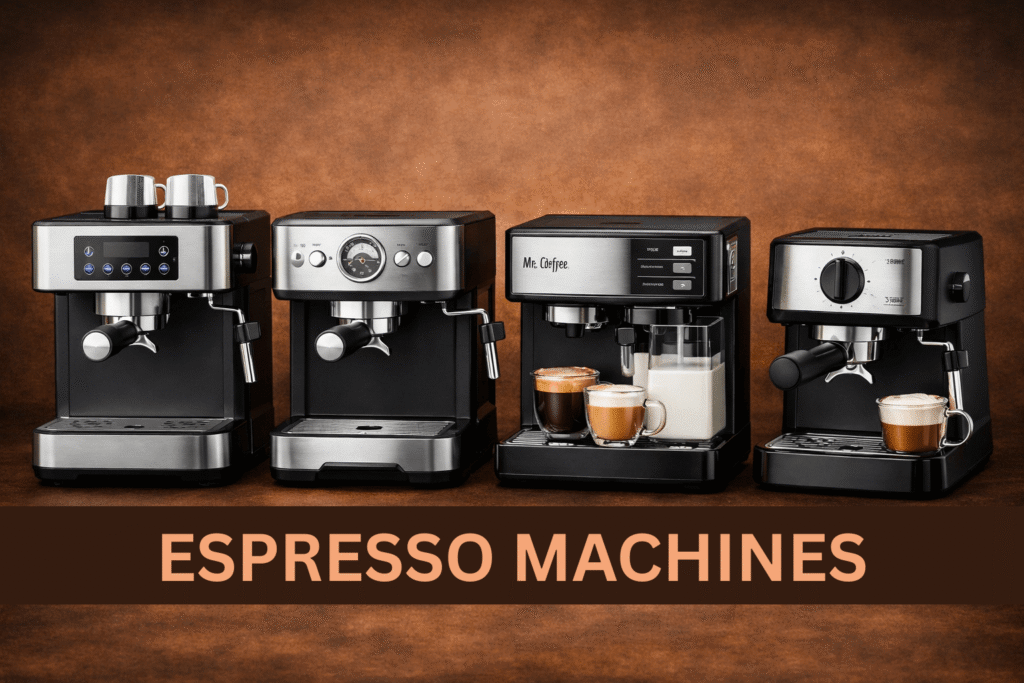
Best Picks Espresso Machines by Type
Semi-Automatic Espresso Machine (Best Beginner Choice)
Top Pick: De’Longhi Stilosa Manual Espresso Machine
Why It’s Great:
- Easy to use for beginners with traditional espresso features
- Manual steam wand included
- Compact design for most kitchens
- Trusted brand with proven performance
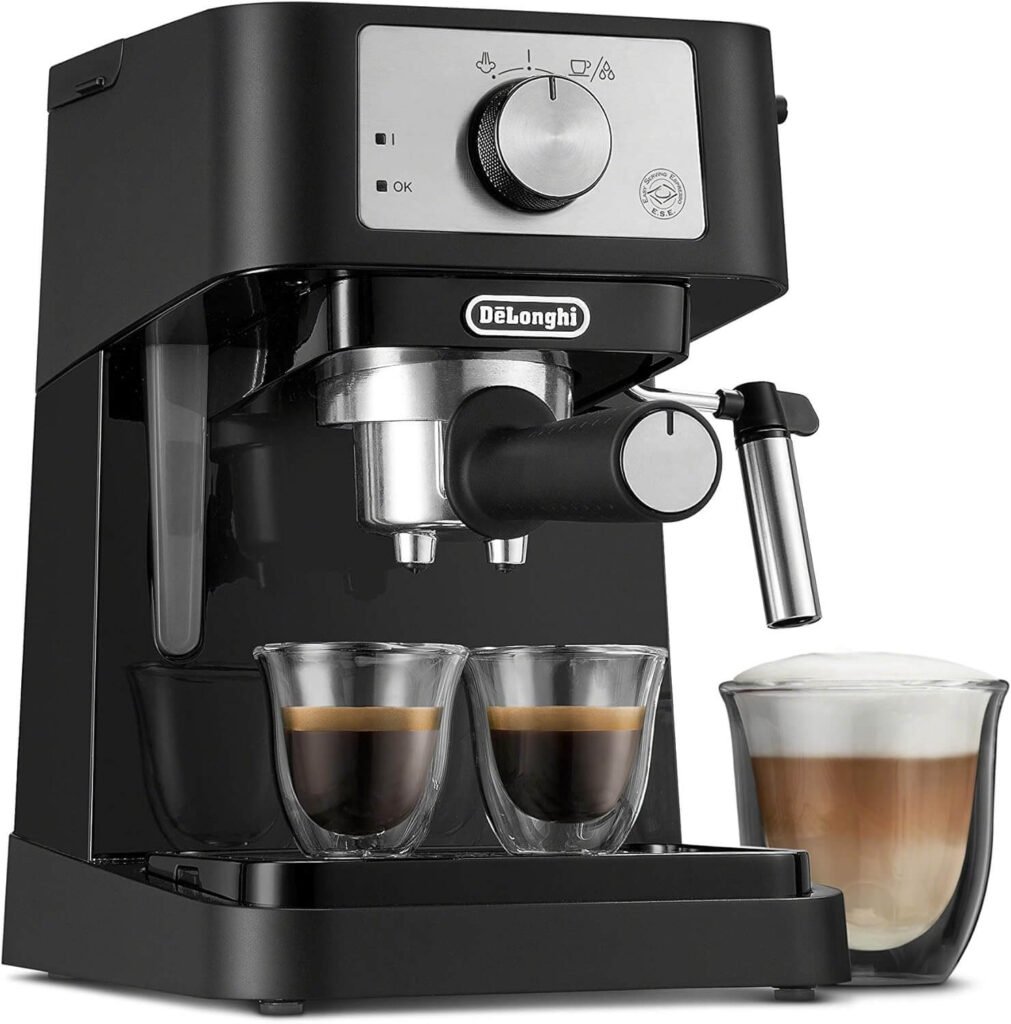
Perfect first semi-automatic espresso machine — balances control, power, and simplicity.
Espresso Machines Budget-Friendly
Top Pick: CASABREWS CM5418 20-Bar Espresso Machine, see the full review
Why It’s Great:
- 20-bar pressure for bolder espresso extraction
- Built-in steam wand for milk drinks
- Outstanding performance at a budget price
- Lightweight and beginner-friendly
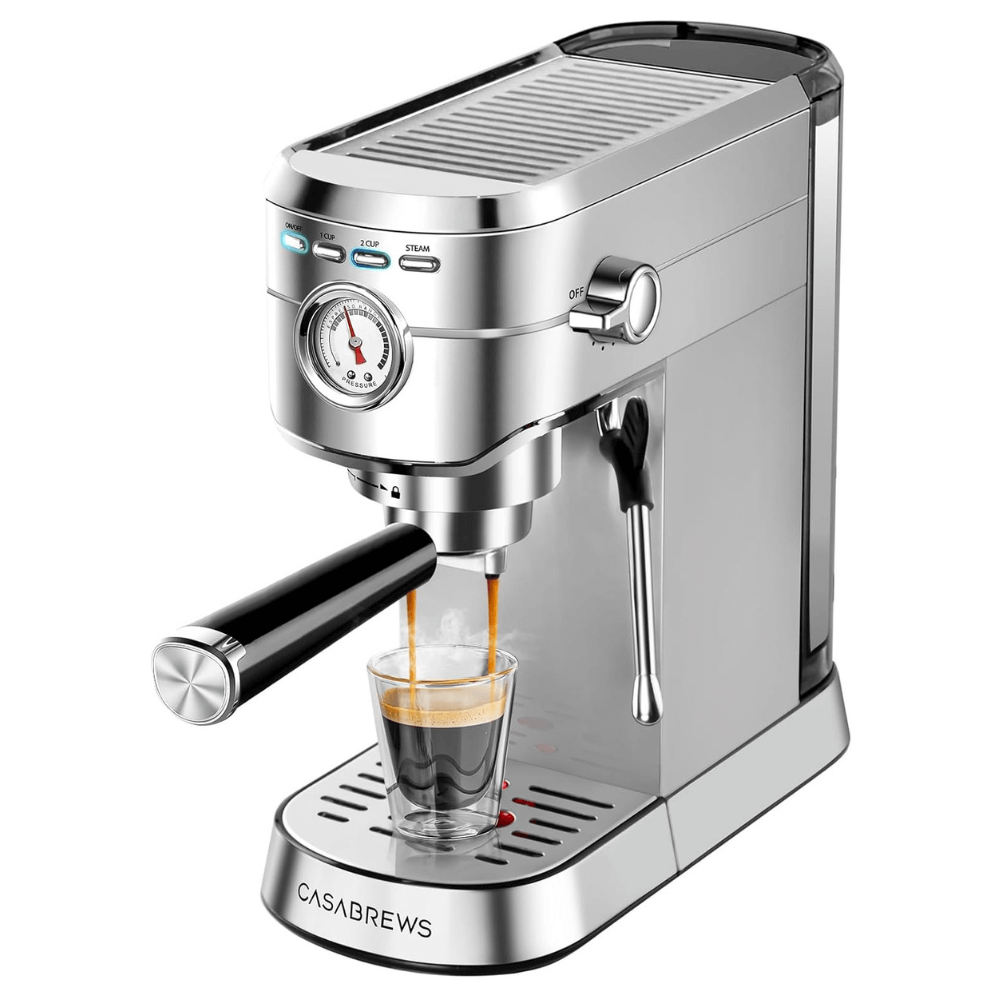
Budget barista dream — café-style espresso without premium cost.
Powerful Extraction (High-Pressure Option)
Top Pick: Gevi 20-Bar Espresso Machine
Why It’s Great:
- Powerful 20-bar pump for rich crema
- Easy setup and steady performance
- Great for bold espresso strength
- Compact yet sturdy build
Ideal for espresso lovers who want a strong, full-bodied shot every time
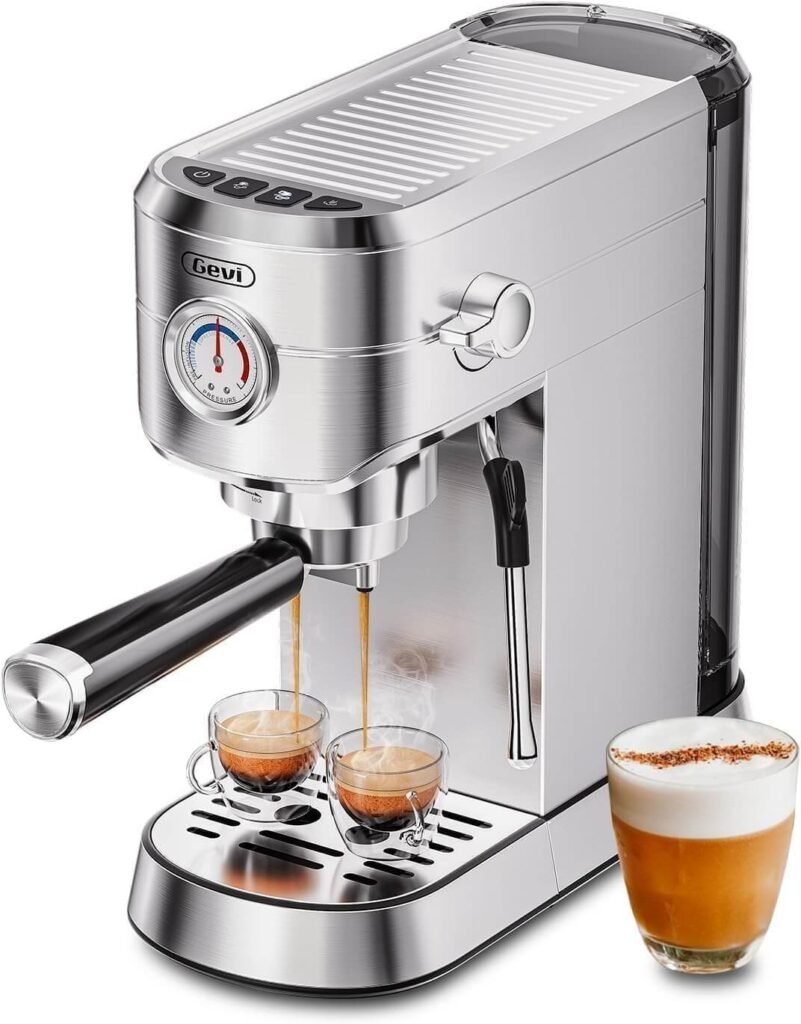
Best Automatic Milk Frother & One-Touch Drinks
Top Pick: Mr. Coffee Café Barista Espresso and Latte Maker
Why It’s Great:
- Built-in automatic milk frother
- One-touch brewing for cappuccinos & lattes
- Larger water reservoir
- Great for busy mornings
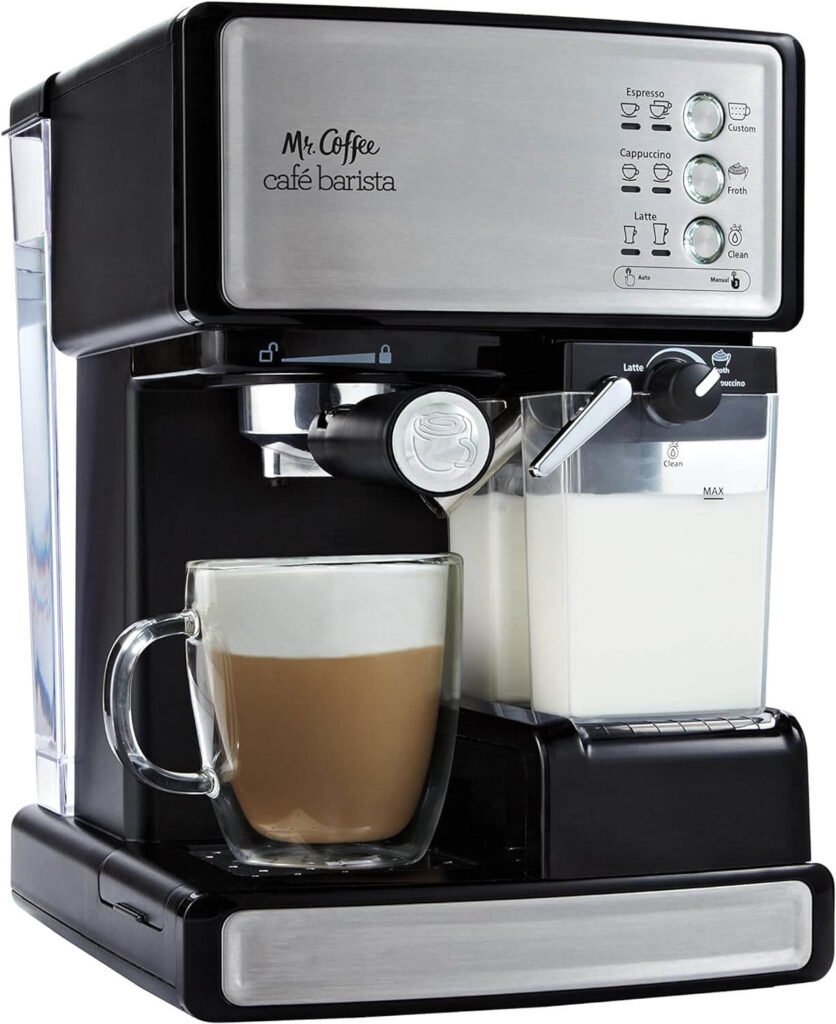
One of the easiest machines for cappuccinos and lattes from scratch — perfect for everyday use.
Quick Summary Table
| Machine Type | Recommended Pick | Best For |
|---|---|---|
| Semi-Automatic | De’Longhi Stilosa | Beginners learning espresso technique |
| Budget Friendly | CASABREWS CM5418 | Affordable bold espresso |
| Strong Extraction | Gevi 20-Bar | Rich, powerful espresso shots |
| Automatic Milk Drinks | Mr. Coffee Café Barista | Lattes & cappuccinos made easy |
Final Thoughts
Buying your first espresso machine doesn’t have to be complicated. With a little guidance on machine types, pressure, grinders, and milk frothing, you can confidently pick a beginner‑friendly espresso machine that fits your budget and still delivers café‑style drinks at home
Focus on:
- Semi-automatic control
- Solid build quality
- A reliable steam wand
- A realistic budget
Start simple. Practice daily. Adjust grind and timing.
Before long, you’ll be making espresso that rivals your local café — and saving money in the process.
Beginner Espresso Machine FAQ
Q: What is the best espresso machine for beginners?
Answer: A semi-automatic machine priced between $150 to $300 with a steam wand is ideal.
Q: Is 20-bar pressure better?
Answer: Not necessarily. Anything above 9 bars is sufficient. Don’t buy based on pressure alone.
Q: How long does it take to learn?
Answer: Most beginners feel comfortable within a week of daily use.
Affiliate Disclosure
Some of the links above may be affiliate links. This means we may earn a small commission at no extra cost to you. We only recommend products we genuinely believe add value to your coffee experience.